If you are confused about how to become a professional photographer, start your journey by mastering the art of photography and developing a strong portfolio. Professional photography requires technical know-how, inventiveness, and business ability; it’s not simply about having a fancy camera.
The first step to becoming a professional photographer is learning the fundamentals of photography, including exposure, composition, and lighting, but these are the basics. A great photographer should always know the psychology behind a picture and its viewers. The philosophy of a photograph is the main key through which viewers can understand the meaning of any capture. Taking photography classes or seminars can assist you in improving these abilities. Don't just buy expensive gear for stunning capture; a camera can only capture the light, but the thinking, composition, and story can be developed only in the human brain.
A strong portfolio can also help to build a successful photography career, and this can be developed by practicing regularly and focusing on personal projects. Having a polished website or social media presence that highlights your work is important for drawing in clients. Participating in photography competitions, working with businesses, and networking with other professionals in the field can all help build credibility.
It takes more than just hitting a trigger while standing in the center of a picturesque scene and waiting for the applause to come in to become a professional photographer. In a single frame, it frequently reveals both truth and beauty, influencing how the world is perceived. Your true power is perception, even though technical skills are your cornerstone. The ability to detect a moment before it occurs and position oneself to capture it is known as “visual intuition,” and it is developed by all great photographers. This is a learnt awareness that results from many hours of observation; it is not luck. Your unique style will serve as your industry signature. Authenticity creates longevity, but trends will come and go. Play with shadows rather than avoiding them, try out unusual angles, or catch moments that most people miss. A hand’s wrinkle, an eye’s momentary pause, or the jumbled mess just outside the ideal position can tell a narrative.
Resilience is equally crucial. Professional photography, in particular, is a world of perpetual change—clients cancel, lighting ruins your greatest shots, and new technology changes the rules every year. Professionals who adapt, innovate, and continue to create even when no one is looking are the ones who succeed, not those who gripe about the weather or the competition. Never undervalue the importance of connections. One person working together can open doors that one person’s skill alone cannot. Go to shows, interact with artists whose work makes you think, and freely impart your expertise. Those who invest in photography frequently discover that it invests back in them, making it both an art form and a community.
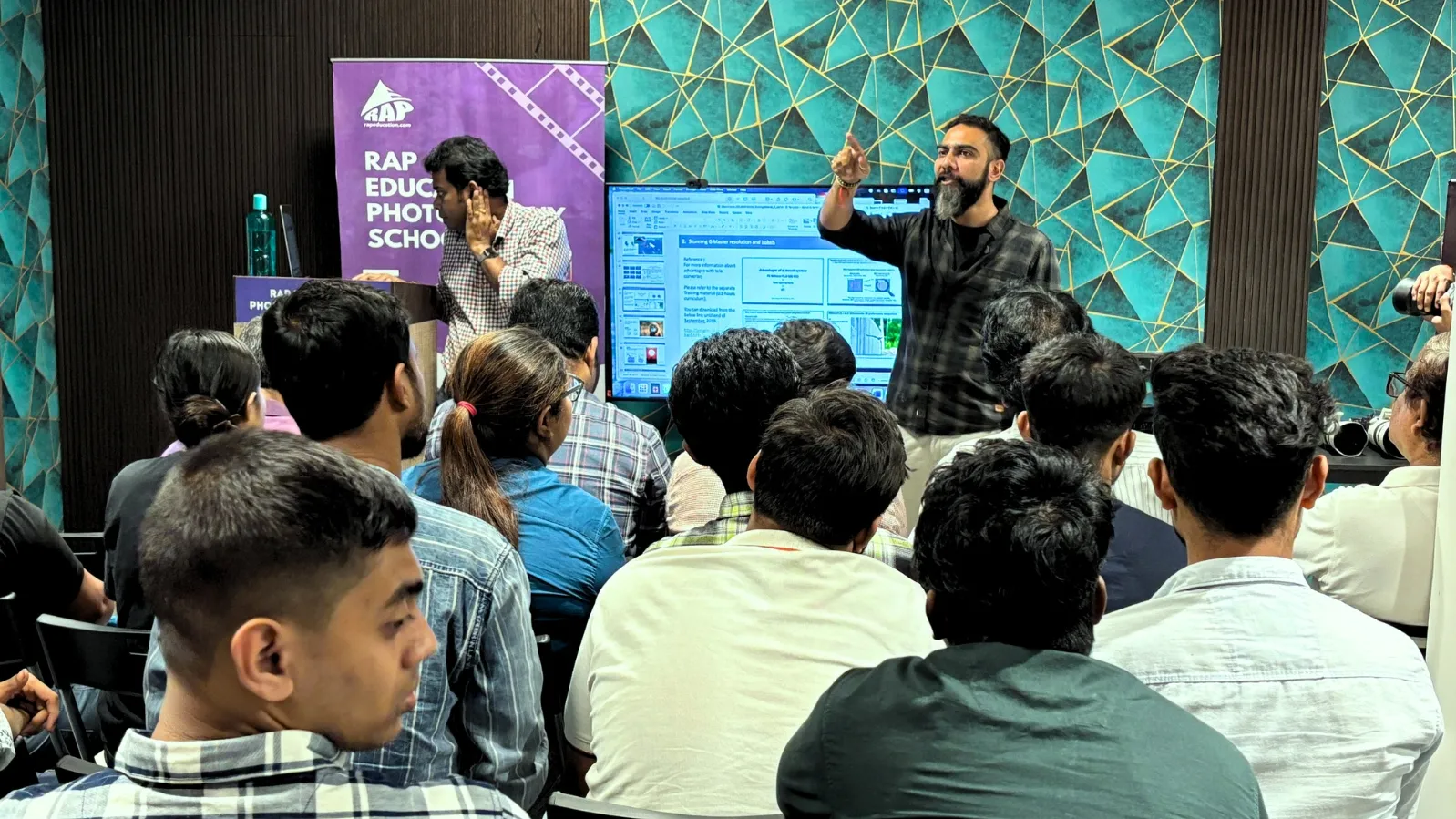
Success in photography requires an awareness of the business side, including contracts, pricing, and marketing tactics. You can maintain your competitiveness in the market by learning new things constantly and adjusting to emerging trends. There are many schools that have strong modules from basic to advanced and can help guide you in refining your skills. For more information, visit https://www.rapeducation.com and explore training resources and expert tips to start your journey in photography.
- #career in photography
- #fundamentals of photography
- #how to become a photographer