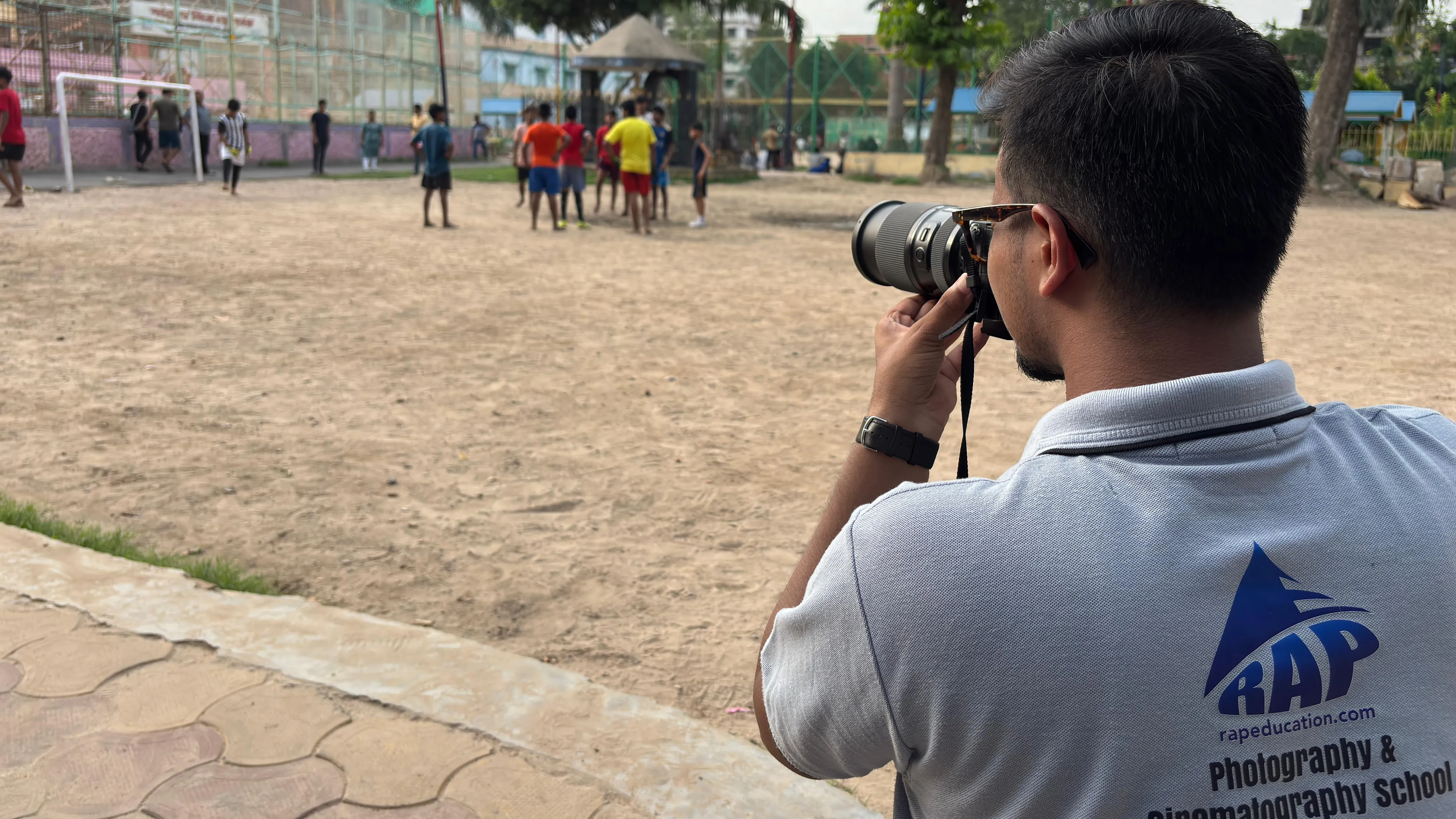
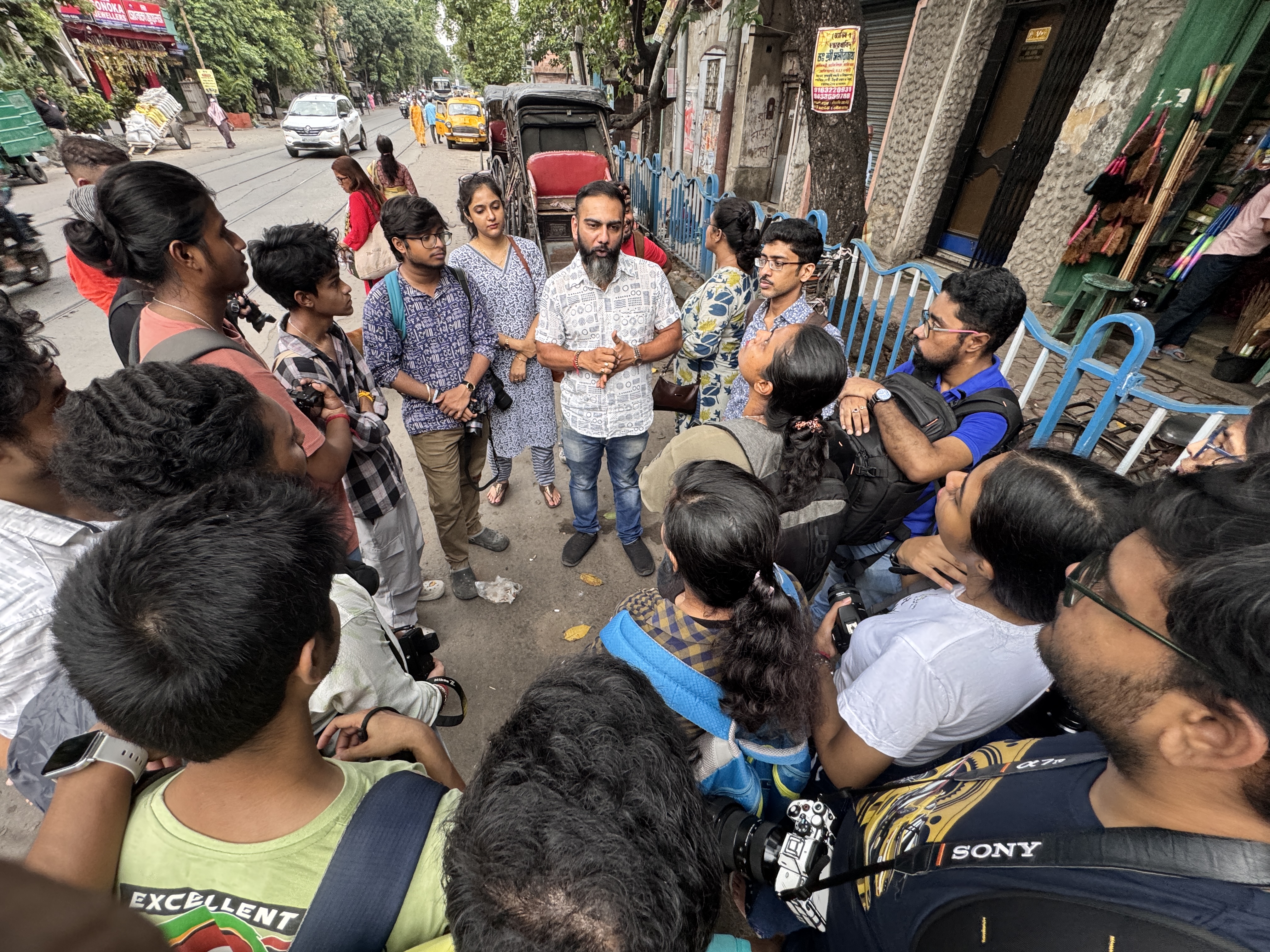
During practical class at the Rap Education Photography School
Practical learning is the one thing that really sets amateurs apart from pros in the digital age, when anyone can pick up a camera and call themselves a photographer. Understanding shutter speed and ISO theory is only one aspect of photography; another is using them in practical settings. It’s one thing to read about lighting; it’s quite another to change your settings during a wildly unpredictable sunset photo session. This is where experiential learning becomes crucial, which is why our photography school emphasises hands-on learning as a major component of our curriculum.
We think that the greatest approach to becoming an expert photographer is to actually wield the camera, take on real difficulties, and create photographs in real-world settings, even though many courses concentrate on online slideshows and interminable lectures. Students learn not only how to shoot but also how to solve difficulties, adjust fast, and catch the unexpected through studio lighting setups, on-location animal, street, and event photography, and more. Practical learning also builds confidence. You don't just memorize settings, you understand how and why to use them. And this understanding becomes instinct, helping you grow faster, shoot smarter, and express your creativity more freely.
“Is there a real future in photography?” is a question that parents frequently ask. Yes, provided that the instruction is immersive, applicable, and useful. Students at our photography school do more than just study; they also practise, try new things, and succeed.
Because hands-on learning always prevails in the field of photography.
- #practical learning
- #street photography
- #story telling photography
- #fine art